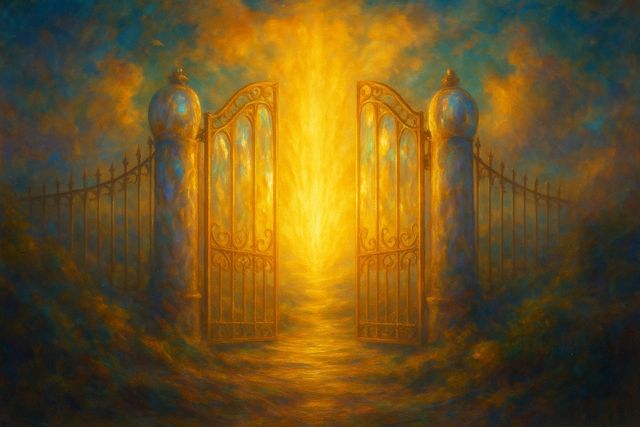
One gate, and the Door it points to
The Gate of the Lord
There is a gate in Scripture that belongs to God in a special way, an entrance so distinct that the psalmist calls it the gate of the LORD. It is not merely a gate in a wall or a way into a city. It is the way into the presence of God, the threshold of worship, the opening through which the righteous pass to give thanks. To speak of the gate of the LORD is to speak of access, of being welcomed in to where God is. What makes this gate remarkable is the company it keeps. The very psalm that names it also sings of a stone the builders rejected which has become the head of the corner. Entrance and cornerstone stand side by side in the same song, and that is no accident. The gate through which the righteous enter and the rejected stone that God exalted are joined in a single hymn of salvation, and reading them together opens the meaning of both.
“This gate of the LORD, into which the righteous shall enter.”Psalm 118:20
The gate in Scripture
Psalm 118 is a great song of thanksgiving, and it moves like a procession. It opens with the summons to give thanks because God's mercy endures forever, and it calls Israel, the house of Aaron, and all who fear the LORD to take up the refrain. Then the voice becomes personal, recounting distress and rescue, being surrounded by enemies and yet delivered, being pushed hard toward falling and yet upheld. The psalm is the testimony of one brought through trouble into a wide and open place by the hand of God. As the song rises toward its center, the singer asks for the gates of righteousness to be opened so that he may enter and give thanks. This is the language of approach, of coming up to the house of God to worship. And then in Psalm 118:20 the answer comes: this is the gate of the LORD, into which the righteous shall enter. The gate is identified. It belongs to God, and those who are righteous pass through it. Entrance into the presence of God is not a general thoroughfare but a particular gate, the LORD's own. Immediately the psalm turns to a saying that would echo through the rest of the Bible. The stone that the builders rejected has become the head of the corner. This, the singer says, is the LORD's doing, and it is marvelous in our eyes. A stone once cast aside as useless has been set by God in the place of greatest honor and load-bearing importance in the whole structure. The reversal is God's work, unexpected and wonderful, and the worshiper stands amazed before it. From there the psalm breaks into some of its most quoted lines, declaring the day the LORD has made and calling for rejoicing, crying out for salvation and blessing, and speaking of one who comes in the name of the LORD. The procession moves toward the altar with festal boughs, and the whole song closes as it opened, giving thanks because God's mercy endures forever. The gate, the rejected stone, the coming one, and the day of salvation are all woven together in a single tapestry of praise, and the gate of the LORD stands at its heart as the way in.
What it comes to mean
The gate of the LORD tells us that access to God is real, but that it is his to define. It is not that God is unapproachable; the whole psalm is a celebration of coming in to give thanks. Yet the entrance is called the gate of the LORD, not the gate of human effort or the gate of general goodwill. There is a particular way in, and it belongs to God. To enter is to come on his terms, through the opening he provides, into the presence he grants. This is both an invitation and a definition. The psalm says the righteous enter. We should be honest about what this means and does not mean within the song itself. The one singing has just recounted deep distress and near destruction, saved not by his own flawlessness but by the mercy of God that the psalm praises from beginning to end. The righteousness that passes through the gate is not a boast of the sinless but the standing of those who belong to God and trust his mercy. The gate is the LORD's, and so is the righteousness of those who enter it. Access rests on grace, not on a claim of independent merit. The placement of the rejected stone right beside the gate is the interpretive key. In the same breath that celebrates entrance into God's presence, the psalm celebrates a stone the builders threw away, now made the cornerstone by God's own doing. The song is telling us that the way into God's presence and the exalting of the rejected stone are one story. The reversal that sets the discarded stone at the head of the corner is the same divine work that opens the gate for the righteous to enter. Salvation comes through what the world rejected and God honored. This joining of gate and stone guards us against a shallow reading of either. The gate is not a cheerful open door with no cost behind it. It stands in a psalm shadowed by distress and rescue, and it opens because of a stone the builders refused. And the rejected stone is not a mere curiosity of history; it is the load-bearing cornerstone on which the whole house, and the whole entrance, depends. To pass through the gate of the LORD is to enter a house whose cornerstone was once cast aside, and to give thanks that God's mercy, and not human building, is what made a way in.
How it points to Christ, the Door
The New Testament seizes on this psalm and reads it as fulfilled in Jesus. He himself takes up the saying about the rejected stone and applies it to his own rejection and vindication, and the apostles after him proclaim that the stone the builders refused has become the cornerstone in Christ, crucified by men and raised by God. The psalm's marvelous reversal is the cross and resurrection: the one cast aside is exalted to the place of highest honor, the foundation of everything. Once the stone is seen as Christ, the gate is illuminated too. He is the way into the presence of God, the entrance the righteous pass through. When Jesus says that he is the door and that no one comes to the Father except through him, he is speaking as the fulfillment of this very gate. The gate of the LORD and the rejected-now-cornerstone are the same person under two images, the way in and the foundation, both of them Christ. As our Passover, sacrificed for us according to 1 Corinthians 5:7, he is the one whose death and rising opened the gate that stood shut against us. So the psalm's procession becomes the church's own. We come giving thanks that God's mercy endures forever, and we enter the gate of the LORD not on the strength of our building but on the cornerstone God set in place when the world rejected him. The day the LORD has made, in which the worshiper is called to rejoice, is the day of salvation dawning in the risen Christ, through whom the righteous now enter into the presence of God.
Questions people ask
Why are the gate and the rejected cornerstone in the same psalm?
Because they tell one story. Psalm 118 places the gate of the LORD beside the stone the builders rejected to show that entrance into God's presence and the exalting of the discarded stone are a single divine work. The way in depends on the cornerstone God honored, which the New Testament reads as Christ crucified and raised.
Who are the righteous that enter the gate of the LORD?
Within the psalm the singer was saved from distress by God's mercy, not by his own flawlessness. The righteousness that enters is the standing of those who belong to God and trust his mercy, which the psalm praises throughout. Access rests on grace and on the LORD's own gate, not on a claim of independent merit.
