A human question, and its answer
Whom Shall I Fear?
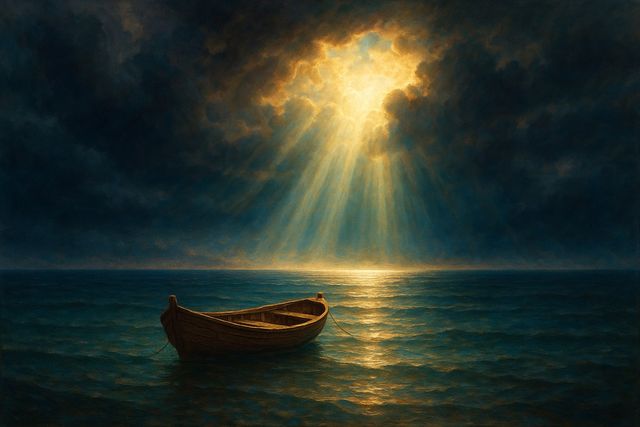
In the face of enemies and danger, David answered fear with a question of faith. "The LORD is my light and my salvation; whom shall I fear? the LORD is the strength of my life; of whom shall I be afraid?" It is the confident question of a heart anchored in God's presence.
“The LORD is my light and my salvation; whom shall I fear? the LORD is the strength of my life; of whom shall I be afraid?”Psalm 27:1
Who asked, and why
Who asked, and why. David asked this in Psalm 27, a psalm written by a man well acquainted with real danger (Ps 27:1). He speaks of enemies who came upon him "to eat up my flesh" (Ps 27:2), of a host encamped against him, of war rising up (Ps 27:3), of false witnesses and cruel breath (Ps 27:12). David was no stranger to threat; he had been hunted by Saul, surrounded by foes, and betrayed by those close to him. This was not the calm of a man with nothing to lose but the courage of one who had known terror and found something stronger than it. His question, "whom shall I fear?" is not denial of danger but defiance of it. He asks it because he has learned where his security truly lies. In the same psalm he confesses his deepest longing: "One thing have I desired of the LORD, that will I seek after; that I may dwell in the house of the LORD all the days of my life" (Ps 27:4). It is from that settled desire for God's presence that his fearlessness flows.
The answer
The answer. The answer is embedded in the question itself and grounded in who God is to David. "The LORD is my light and my salvation; whom shall I fear? the LORD is the strength of my life; of whom shall I be afraid?" (Ps 27:1). Light against darkness, salvation against destruction, strength against weakness. If God is all these things to him, then no enemy can be greater than the God who defends him. David's confidence is not in his own courage but in the Lord's character. He resolves, "Though an host should encamp against me, my heart shall not fear: though war should rise against me, in this will I be confident" (Ps 27:3). Yet the psalm is honest about the struggle. It ends not with untroubled ease but with an exhortation David must preach to his own soul: "Wait on the LORD: be of good courage, and he shall strengthen thine heart: wait, I say, on the LORD" (Ps 27:14). Faith and fear were still at war, and David chose to wait on God.
How Christ answers it
How Christ answers it. Jesus is the light and salvation that answer David's question. He declared, "I am the light of the world: he that followeth me shall not walk in darkness, but shall have the light of life" (John 8:12), and his very name means salvation, "for he shall save his people from their sins" (Matt 1:21). Because of him, fear loses its ultimate grip, for even death, the last enemy, has been conquered. Jesus told his own, "Fear not them which kill the body, but are not able to kill the soul" (Matt 10:28), and "Let not your heart be troubled, neither let it be afraid" (John 14:27). Paul, echoing David's confidence, asks the same kind of question and answers it in Christ: "If God be for us, who can be against us?" (Rom 8:31). Whom shall we fear, when the Lord who is our light has passed through the darkness of the grave and risen? In Christ the fearful heart finds not the absence of danger but a refuge greater than every danger.
Questions people ask
Did David have real reasons to be afraid?
Yes. Psalm 27 speaks of enemies, armies, war, and false witnesses (Ps 27:2-3, 12). David's fearlessness was not naive; it was faith facing genuine danger while resting in God as his light, salvation, and strength.
Does faith mean we never feel fear?
Not necessarily. David still had to command his own soul to "Wait on the LORD: be of good courage" (Ps 27:14). Faith is choosing to trust God in the midst of fear, not the absence of the feeling.
How does Jesus answer this question?
Jesus is the light and salvation David named; he conquered even death, the last enemy. Because of him we can say with Paul, "If God be for us, who can be against us?" (Rom 8:31), and hear his own words, "Let not your heart be troubled" (John 14:27).
