An object of the Passion
The Stone Rolled Away
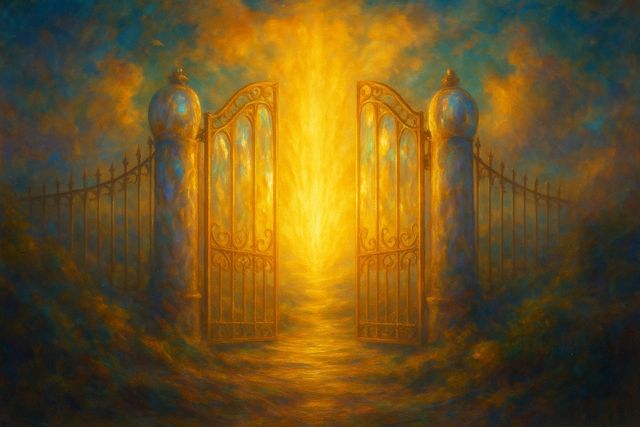
The stone was the great rock that sealed Jesus' tomb, rolled across the entrance and, in Matthew, secured and guarded. On the first day of the week an angel rolled it back, and it was found already moved. The stone was not shifted to let the risen Christ out, but to let the witnesses in.
“And, behold, there was a great earthquake: for the angel of the Lord descended from heaven, and came and rolled back the stone from the door, and sat upon it.”Matthew 28:2
The object
A wealthy person's rock tomb had a low entrance closed by a large stone, sometimes a heavy disc that ran in a channel and was rolled across the opening. Such a stone could weigh a great deal and take several people to move, and once settled it sealed the tomb against animals and intruders. In Jesus' case the security went further: the authorities, fearing His body might be taken and a resurrection claimed, asked Pilate to make the tomb sure. So the stone was sealed, an official mark that would show if it were tampered with, and a guard was set to watch it. Everything human power could do to keep that stone in place and that grave shut was done.
Its part in the Passion
The stone stands at the turning point of the whole story. It was rolled into place after Joseph laid the body inside, and the women who watched noted where He was laid, worrying among themselves who would roll away so great a stone so they could anoint the body. But when they arrived at dawn, there was an earthquake, and an angel descended, rolled back the stone, and sat upon it, and the guards shook and became as dead men. The angel's word was that He is not here, for He is risen, and the invitation followed: come, see the place where He lay. The stone that was meant to keep everyone out now framed an open, empty doorway.
What it shows us of Christ
The stone was never Christ's obstacle. He who rose through the graveclothes did not need a doorway opened; the risen Lord is not shut in by rock. The stone was rolled away for us, so that the women, and Peter and John, and everyone since, could stoop and look inside and see that the tomb was empty. It was moved not to release a prisoner but to reveal a victory, turning a sealed grave into an open testimony. Every human effort to keep Him in, the weight, the seal, the guard, only made the emptiness more certain and the resurrection more impossible to deny. The stone that shut death's door now stands as the mark of death's defeat.
Questions people ask
was the stone rolled away to let Jesus out
No. Scripture shows the risen Jesus passing through sealed spaces and leaving His graveclothes undisturbed, so a great stone could not confine Him. The angel rolled it back not to release Him but to reveal an already empty tomb, letting the women and disciples look inside and see the place where He lay. The stone was moved for the witnesses, not for the Lord.
how was Jesus' tomb secured
Fearing His body might be stolen and a resurrection claimed, the authorities asked Pilate to make the tomb sure. A large stone was rolled across the entrance, then officially sealed so tampering would show, and a guard was posted to watch. Every human safeguard was in place, which only made the empty tomb harder to explain and the resurrection harder to deny.
